A burst line in a shop, a grease-clogged restaurant drain or a failed water heater in an office suite is a business problem before it is a plumbing problem. Commercial plumbing is the same trade scaled up: bigger pipe, more fixtures, stricter rules, and a tenant or landlord who needs to know who pays. Phone during office hours and you get a local plumber for the building. Residential jobs sit on the home page.
What comes first when a business plumbing emergency starts?
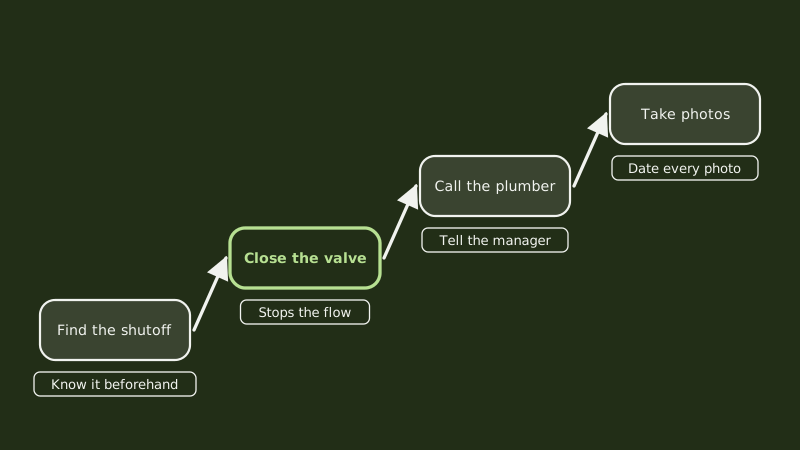
Stop the water at the nearest valve or the main, kill power to anything wet, and keep people out of the area. A gas smell overrides everything: walk out, then ring SoCalGas's emergency number (1-800-427-2200) from the sidewalk, and dial 911 for danger. Afterward, take photos for the insurer and phone us.
The order matters because water keeps working while you decide. Know where the main shutoff and any floor drains are before the day you need them, and tell staff. Move stock, paper and electronics off the floor, but do not wade through standing water near live outlets. Our phone is answered on weekdays between nine and five, and no arrival time can be promised. Outside those hours, shut the water off, protect the space, and leave the details in the quote form so they are waiting when the office opens.
What counts as commercial plumbing, as opposed to a home repair?
It means plumbing in any shop, office, restaurant or apartment block: including clinics, car washes and complexes with shared lines. The difference is scale and code. Commercial pipe is larger, fixture counts are higher, and backflow assemblies, grease handling and tenant improvement permits come into play.
A few examples of where commercial work departs from a house:
- Restaurants: floor sinks, three-compartment sinks, dishwasher drains and grease-laden lines that clog on a schedule.
- Offices and retail: restroom batteries (several toilets on one drain), drinking fountains, mop sinks.
- Multi-unit buildings: shared risers, central water heaters, one tenant's leak showing in another's ceiling.
- Tenant build-outs: new restrooms, sinks and a gas line for a kitchen, all needing permits.
For the longer explanation, read what a commercial plumber does.
What emergencies hit commercial buildings most?
Sewer and drain backups lead the list, followed by burst or leaking supply lines, failed water heaters, running toilets that flood a restroom battery, and loss of water pressure. Grease and wipes clog restaurant and office lines, and old cast iron under a mid-century Santa Ana building can fail without warning.
Orange County's central cities, including Santa Ana, Garden Grove and Costa Mesa, have plenty of commercial buildings from the postwar decades, and older drain lines are more likely to crack or fill with roots. A camera inspection after a backup shows whether it was a one-off clog or a failing pipe. For a burst line in the small hours, the emergency plumbing list says what to shut off.
How is a commercial plumbing job priced?
Plumbers bill by the hour or by the job. Residential price guides for Orange County quote hourly labor from roughly $100 up to $200, with trip charges of $75 to $250, and off-hours work often costing 1.5 to 2 times more. A dependable published commercial rate did not turn up, so get yours on paper.
What pushes a commercial quote up: access (ceiling space, roof, slab), the size of the pipe, whether the building must stay open while work happens, and permit and inspection time. Our commercial hourly cost page explains the pieces of an hourly bill. A flat quote is better than an open hourly meter when the cause is already known.
Who pays, the landlord or the tenant?
Your lease decides. As a general pattern, landlords handle building systems such as main supply and sewer lines, and tenants handle fixtures and drains inside their own space, but leases differ. Read the repair clause before authorizing work, and tell the property manager at once so the plumber can be directed and the bill assigned.
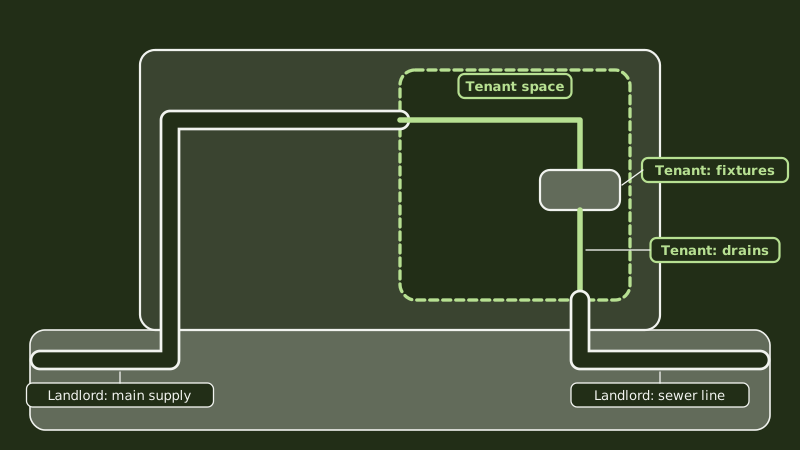
Photograph and date everything, keep the plumber's written report, and keep receipts. If a break in one unit damages another, the report that says what failed and why is what insurers and managers will ask for. A plumber who can describe the cause clearly saves argument later.
Do commercial buildings need backflow testing and permits?
Backflow assemblies protect the public water supply from contamination and must be tested at least annually under California's cross-connection rules. The City of Santa Ana requires reports to be filed through its SwiftComply portal by a tester holding a state-recognized certification and a City business license. Water heater replacement and gas piping also need a city permit.
Our backflow certification testing page and the backflow testing rates guide give the detail. The permit guide explains who pulls a permit and how inspections run. For gas piping, see gas line pipe: state law reserves it for contractors holding a license, and the inspector looks at it before walls close.
Common questions
How fast can a plumber reach a commercial emergency?
I will not promise a time, because it depends on the plumber's schedule, the hour and traffic. Phones are answered on weekdays, nine to five. Say clearly if water is running, a sewer is backing up or gas is involved, and shut off what you can while you wait.
What should a business owner check before agreeing to a plumber?
Confirm the plumber's state contractor license carries the plumbing classification, using the board's free lookup. Ask for the rate and any after-hours multiplier in writing, whether permits are included, and how the plumber will keep the business open. Request a written description of the cause afterward.
Must a staff member be on the premises?
Yes, a person with authority should be there: they open the doors, point out the shutoffs and sign off on the price. That can be a manager or key holder rather than the owner. If the building has a landlord, tell them first so access to risers and utility rooms is available.
Can an emergency commercial plumber work without a permit?
Emergency stopping of a leak is one thing, replacement work another. In Santa Ana, replacing a water heater or touching gas piping calls for a permit at any hour, and other work may need one as well. A plumber can stop the damage first, then arrange the permit for the repair. Ask the plumber what will be permitted and when the inspection will happen.
In this section
- Costs
Commercial plumber hourly rates in Santa Ana: typical ranges, how master and journeyman rates differ, service call fees and how to compare…
- Commercial plumbing
What a commercial plumber does in Santa Ana: backflow testing, grease interceptors, tenant buildouts, permits and repairs for shops,…
Sources
- SoCalGas, natural gas leaks
- City of Santa Ana, backflow program
- City of Santa Ana, same day express permit program
- California Contractors State License Board, consumer hiring guidance
- Published Orange County plumber price guides, checked November 2026
Last updated